



Day 2
13 November 2026
C: Session 1
Practical Aspects of Audiologist-Delivered Cognitive Behavioral Therapy (CBT) for Tinnitus, Hyperacusis, and Misophonia
This 1.5-hour workshop provides a practical introduction to audiologist-delivered cognitive behavioral therapy (CBT) for the rehabilitation of patients with tinnitus, hyperacusis, and misophonia. Participants will be introduced to a structured psycho audiological assessment framework that evaluates symptom severity, functional impact, patient confidence in managing their condition, and the presence of psychological comorbidities, while working within the professional scope of audiology practice. The workshop will examine the key diagnostic distinctions between tinnitus and different forms of sound intolerance, with particular emphasis on differentiating condition-related distress from broader psychiatric disorders and recognizing when referral to mental health services is indicated. Practical CBT-informed approaches to patient education, counseling, and rehabilitation will be demonstrated, illustrating how assessment findings can be translated into individualized management strategies within the audiologist’s scope of practice. Learning Objectives By the end of this workshop, participants will be able to: • Describe the principles of audiologist-delivered CBT for tinnitus, hyperacusis, and misophonia. • Conduct a structured psycho-audiological assessment that evaluates symptom severity, functional impact, patient confidence, and psychological comorbidities. • Differentiate tinnitus- and sound-intolerance-related distress from broader mental health conditions, and identify appropriate referral pathways. • Apply CBT-informed education and counseling strategies within the audiologist’s scope of practice to support evidence-based rehabilitation.
Hashir Aazh | Audiologist, Tinnitus, Hyperacusis, and Misophonia Specialist
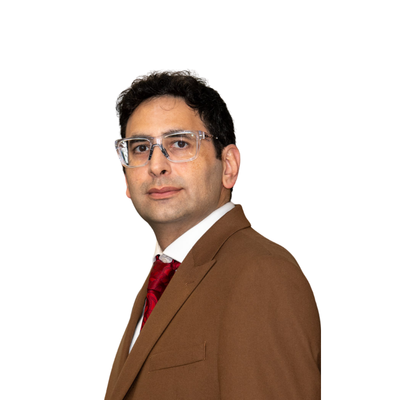
Hashir Aazh
Audiologist, Tinnitus, Hyperacusis, and Misophonia Specialist
Hashir Aazh, PhD, is a UK-based audiologist and researcher specializing in tinnitus, hyperacusis, misophonia, and other forms of sound intolerance. Over the past decade, he has trained and supervised more than 1,000 audiologists and psychologists and authored more than 70 peer-reviewed publications in audiology. His work has made significant contributions to the development of audiologist delivered cognitive behavioral therapy (CBT), diagnostic criteria for hyperacusis, psychometric assessment tools, and internet-based interventions for tinnitus and sound intolerance. He serves as President of the 8th International Conference on Hyperacusis and Misophonia (Hanover, Germany, 2026) and the 4th World Tinnitus Congress and XV International Tinnitus Seminar (London, UK,2027)
Lectures by this speaker
Friday, 2026-11-13
Practical Aspects of Audiologist-Delivered Cognitive Behavioral Therapy (CBT) for Tinnitus, Hyperacusis, and Misophonia
This 1.5-hour workshop provides a practical introduction to audiologist-delivered cognitive behavioral therapy (CBT) for the rehabilitation of patients with tinnitus, hyperacusis, and misophonia. Participants will be introduced to a structured psycho audiological assessment framework that evaluates symptom severity, functional impact, patient confidence in managing their condition, and the presence of psychological comorbidities, while working within the professional scope of audiology practice. The workshop will examine the key diagnostic distinctions between tinnitus and different forms of sound intolerance, with particular emphasis on differentiating condition-related distress from broader psychiatric disorders and recognizing when referral to mental health services is indicated. Practical CBT-informed approaches to patient education, counseling, and rehabilitation will be demonstrated, illustrating how assessment findings can be translated into individualized management strategies within the audiologist’s scope of practice. Learning Objectives By the end of this workshop, participants will be able to: • Describe the principles of audiologist-delivered CBT for tinnitus, hyperacusis, and misophonia. • Conduct a structured psycho-audiological assessment that evaluates symptom severity, functional impact, patient confidence, and psychological comorbidities. • Differentiate tinnitus- and sound-intolerance-related distress from broader mental health conditions, and identify appropriate referral pathways. • Apply CBT-informed education and counseling strategies within the audiologist’s scope of practice to support evidence-based rehabilitation.
08:30 - 10:00
Friday, 2026-11-13
An overview of cognitive behavioral therapy ( CBT) for Tinnitus
14:15 - 14:30
08:30 - 10:00
C: Break (Day 1 - Morning)
10:00 - 10:30
C: Session 2
When vHIT Misleads You: Hands-on Masterclass in Technique, Artifacts, and Clinical Interpretation
This 2-hour hands-on workshop provides an evidence-based, clinically oriented approach to interpreting and applying the Video Head Impulse Test (vHIT) in patients with dizziness and vestibular disorders. While vHIT has become an essential component of modern vestibular assessment, reliance on isolated test findings or inappropriate interpretation may lead to diagnostic errors and suboptimal patient management. The workshop begins with a comprehensive review of the physiological principles underlying the vestibulo-ocular reflex (VOR), the scientific basis of vHIT, and the technical and interpretative pitfalls that clinicians commonly encounter in daily practice. Participants will gain a deeper understanding of the strengths, limitations, and appropriate clinical applications of vHIT within the vestibular test battery. Building on these scientific foundations, the workshop will demonstrate how vHIT findings should be integrated with patient history, bedside examination, VNG, vestibular-evoked myogenic potentials (VEMPs), audiological findings, and imaging, when appropriate. Through interactive clinical cases, participants will develop a structured approach to clinical reasoning for differentiating peripheral and central vestibular disorders while avoiding common diagnostic pitfalls. The session concludes with live demonstrations and supervised hands-on practice, enabling participants to optimize test performance, recognize acquisition errors and artifacts, and improve confidence in interpreting challenging vestibular cases in everyday clinical practice. Learning Objectives By the end of this workshop, participants will be able to: • Explain the physiological principles of the vestibulo-ocular reflex (VOR) and their relationship to the interpretation of vHIT. • Recognize common technical and interpretative pitfalls that may result in misleading vHIT findings. • Understand the strengths and limitations of vHIT within a comprehensive vestibular assessment. • Integrate vHIT results with clinical history, bedside examination, VNG, VEMP, audiological findings, and imaging to improve diagnostic accuracy. • Apply structured clinical reasoning to challenging vestibular cases. • Perform vHIT confidently during hands-on practice while recognizing common recording errors and optimizing examination quality.
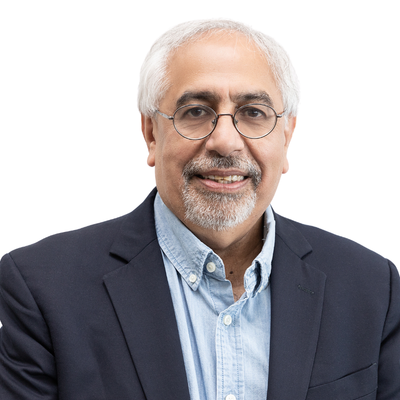
Kamran Barin
Audiologist, Assistant Professor Emeritus, Vestibular Diagnostics and Rehabilitation Specialist and Researcher
Kamran Barin, Ph.D., is Assistant Professor Emeritus, Department of Otolaryngology-Head & Neck Surgery and Department of Speech & Hearing Science, The Ohio State University. He established and served as the Director of Balance Disorders Clinic at the Ohio State University Medical Center for over 25 years until his retirement. He received his Master’s and Doctorate degrees in Electrical/ Biomedical Engineering from The Ohio State University. He has published several articles and book chapters and has taught national and international courses and seminars on various aspects of vestibular assessment and rehabilitation.
Lectures by this speaker
Friday, 2026-11-13
When vHIT Misleads You: Hands-on Masterclass in Technique, Artifacts, and Clinical Interpretation
This 2-hour hands-on workshop provides an evidence-based, clinically oriented approach to interpreting and applying the Video Head Impulse Test (vHIT) in patients with dizziness and vestibular disorders. While vHIT has become an essential component of modern vestibular assessment, reliance on isolated test findings or inappropriate interpretation may lead to diagnostic errors and suboptimal patient management. The workshop begins with a comprehensive review of the physiological principles underlying the vestibulo-ocular reflex (VOR), the scientific basis of vHIT, and the technical and interpretative pitfalls that clinicians commonly encounter in daily practice. Participants will gain a deeper understanding of the strengths, limitations, and appropriate clinical applications of vHIT within the vestibular test battery. Building on these scientific foundations, the workshop will demonstrate how vHIT findings should be integrated with patient history, bedside examination, VNG, vestibular-evoked myogenic potentials (VEMPs), audiological findings, and imaging, when appropriate. Through interactive clinical cases, participants will develop a structured approach to clinical reasoning for differentiating peripheral and central vestibular disorders while avoiding common diagnostic pitfalls. The session concludes with live demonstrations and supervised hands-on practice, enabling participants to optimize test performance, recognize acquisition errors and artifacts, and improve confidence in interpreting challenging vestibular cases in everyday clinical practice. Learning Objectives By the end of this workshop, participants will be able to: • Explain the physiological principles of the vestibulo-ocular reflex (VOR) and their relationship to the interpretation of vHIT. • Recognize common technical and interpretative pitfalls that may result in misleading vHIT findings. • Understand the strengths and limitations of vHIT within a comprehensive vestibular assessment. • Integrate vHIT results with clinical history, bedside examination, VNG, VEMP, audiological findings, and imaging to improve diagnostic accuracy. • Apply structured clinical reasoning to challenging vestibular cases. • Perform vHIT confidently during hands-on practice while recognizing common recording errors and optimizing examination quality.
10:30 - 12:30
Friday, 2026-11-13
Neuroaudiology: Bridging Neurotology and Neuro-Audiology: Building Integrated Models of Care
15:30 - 16:30
Friday, 2026-11-13
Saccadometry in the evaluation of Concussion,Traumatic Brain Injusry and other Neuro-Cognitive disorders
17:15 - 17:30
Nima Rezazadeh | Audiologist, Vestibular Diagnostics and Rehabilitation Specialist and Researcher
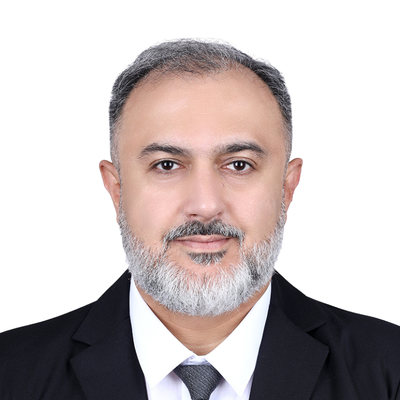
Nima Rezazadeh
Audiologist, Vestibular Diagnostics and Rehabilitation Specialist and Researcher
Dr.Nima Rezazadeh, PhD, is a UAE-based audiologist specialized in vestibular assessment, diagnosis, and rehabilitation. With more than 20 years of clinical and leadership experience, he has established and led several audiology departments and specialized clinical services while mentoring multidisciplinary audiology teams. He currently serves as Deputy CEO of OTEX Hearing Solutions in Dubai and is the Founder of Dr. Rezazadeh Ear & Dizziness Center, where his clinical practice focuses on the comprehensive evaluation and rehabilitation of patients with vestibular disorders. Dr. Rezazadeh has extensive expertise in vestibular diagnostics, vestibular rehabilitation, and hearing technologies. He has contributed to the development of vestibular clinical services and has been actively involved in professional education and training. He is a regular invited speaker and hands-on workshop instructor at national and international scientific meetings, with a particular interest in translating evidence-based vestibular assessment and rehabilitation into practical clinical applications that improve patient care.
Lectures by this speaker
Friday, 2026-11-13
When vHIT Misleads You: Hands-on Masterclass in Technique, Artifacts, and Clinical Interpretation
This 2-hour hands-on workshop provides an evidence-based, clinically oriented approach to interpreting and applying the Video Head Impulse Test (vHIT) in patients with dizziness and vestibular disorders. While vHIT has become an essential component of modern vestibular assessment, reliance on isolated test findings or inappropriate interpretation may lead to diagnostic errors and suboptimal patient management. The workshop begins with a comprehensive review of the physiological principles underlying the vestibulo-ocular reflex (VOR), the scientific basis of vHIT, and the technical and interpretative pitfalls that clinicians commonly encounter in daily practice. Participants will gain a deeper understanding of the strengths, limitations, and appropriate clinical applications of vHIT within the vestibular test battery. Building on these scientific foundations, the workshop will demonstrate how vHIT findings should be integrated with patient history, bedside examination, VNG, vestibular-evoked myogenic potentials (VEMPs), audiological findings, and imaging, when appropriate. Through interactive clinical cases, participants will develop a structured approach to clinical reasoning for differentiating peripheral and central vestibular disorders while avoiding common diagnostic pitfalls. The session concludes with live demonstrations and supervised hands-on practice, enabling participants to optimize test performance, recognize acquisition errors and artifacts, and improve confidence in interpreting challenging vestibular cases in everyday clinical practice. Learning Objectives By the end of this workshop, participants will be able to: • Explain the physiological principles of the vestibulo-ocular reflex (VOR) and their relationship to the interpretation of vHIT. • Recognize common technical and interpretative pitfalls that may result in misleading vHIT findings. • Understand the strengths and limitations of vHIT within a comprehensive vestibular assessment. • Integrate vHIT results with clinical history, bedside examination, VNG, VEMP, audiological findings, and imaging to improve diagnostic accuracy. • Apply structured clinical reasoning to challenging vestibular cases. • Perform vHIT confidently during hands-on practice while recognizing common recording errors and optimizing examination quality.
10:30 - 12:30
Friday, 2026-11-13
Neuroaudiology: Bridging Neurotology and Neuro-Audiology: Building Integrated Models of Care
15:30 - 16:30
Friday, 2026-11-13
Why BPPV treatment Fails : 10 Common Clinical Mistakes and Practical Solutions.
17:45 - 18:00
10:30 - 12:30
C: Break (Day 1 - Lunch Break)
12:30 - 14:30
C: Session 3
Exploring the Listening Brain Through a Neuroaudiological Lens: From Foundations to Clinical Practice
The workshop will begin with a brief review of the auditory system, highlighting its complexity and, hence, the high potential for auditory processing deficits. Following that, the broader concept of listening difficulties in the context of a normal audiogram will be explained. Listening difficulties can be caused by a range of deficits in auditory processing, speech sound identification, memory, attention, pattern recognition, and language. A test battery designed to identify deficits in each of these areas will be demonstrated. These tests comprise Spectro-temporal resolution, Between-and within-channel gap detection, Dichotic digits with its dichotic control condition, the LiSN-U test of phoneme perception in spatialized noise, the LiSN-S test of sentence perception in spatialized noise, the DigiSpan adaptive test of memory, the AudiCloze test of overall language ability (intended for audiologists to administer), and an adaptive pattern recognition. Most of the tests include a mechanism to monitor for fluctuations in attention as the test progresses. Each test will be demonstrated to the participants, and for those tests that are already being used in clinics, the proportion of patients who score outside normal limits will be shown. Some relationships between performance on the different tests will also be covered. Although the workshop will focus on diagnosing underlying deficits, potential remediation methods for each type of deficit will also be briefly reviewed.
Harvey Dillon | Audiologist, Distinguished researcher in auditory processing
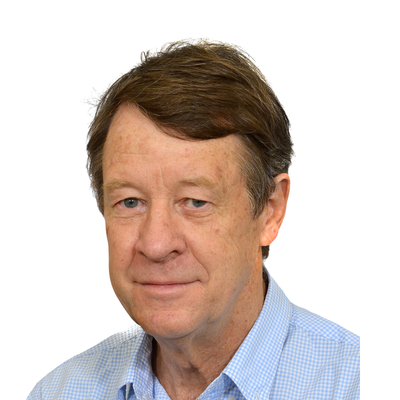
Harvey Dillon
Audiologist, Distinguished researcher in auditory processing
Dr.Harvey Dillon, PhD. is currently a part-time Professor at Macquarie University, Australia. For the last eight years, he has mostly focused on conducting and supervising research into auditory processing disorders and other causes of listening difficulties, including creating new tests for these conditions. He is the author of over 300 scientific publications and a widely used textbook on hearing aids. He has been closely associated with various NAL prescription rules, COSI outcomes evaluation, the trainable hearing aid, the LiSN-S test of spatial processing, and clinical cortical response testing. He was previously the Director of the Australian National Acoustic Laboratories and a part-time Professor at the University of Manchester. APPENDIX B Dubai Otology Neuro-Audiology Committee.
Lectures by this speaker
Friday, 2026-11-13
Exploring the Listening Brain Through a Neuroaudiological Lens: From Foundations to Clinical Practice
The workshop will begin with a brief review of the auditory system, highlighting its complexity and, hence, the high potential for auditory processing deficits. Following that, the broader concept of listening difficulties in the context of a normal audiogram will be explained. Listening difficulties can be caused by a range of deficits in auditory processing, speech sound identification, memory, attention, pattern recognition, and language. A test battery designed to identify deficits in each of these areas will be demonstrated. These tests comprise Spectro-temporal resolution, Between-and within-channel gap detection, Dichotic digits with its dichotic control condition, the LiSN-U test of phoneme perception in spatialized noise, the LiSN-S test of sentence perception in spatialized noise, the DigiSpan adaptive test of memory, the AudiCloze test of overall language ability (intended for audiologists to administer), and an adaptive pattern recognition. Most of the tests include a mechanism to monitor for fluctuations in attention as the test progresses. Each test will be demonstrated to the participants, and for those tests that are already being used in clinics, the proportion of patients who score outside normal limits will be shown. Some relationships between performance on the different tests will also be covered. Although the workshop will focus on diagnosing underlying deficits, potential remediation methods for each type of deficit will also be briefly reviewed.
14:30 - 17:00
Friday, 2026-11-13
Seperating the causes of listening difficulties when the audiogram is normal
14:30 - 14:45
Friday, 2026-11-13
Neuroaudiology: Bridging Neurotology and Neuro-Audiology: Building Integrated Models of Care
15:30 - 16:30
Ehsan Negin | Audiologist, Auditory Processing Researcher, Clinical Director
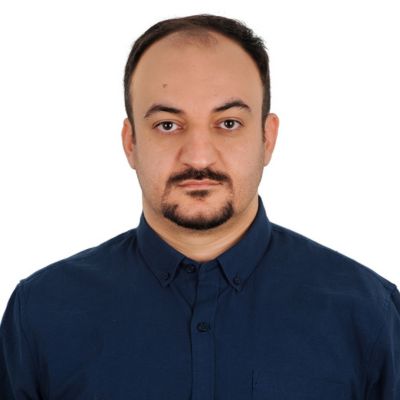
Ehsan Negin
Audiologist, Auditory Processing Researcher, Clinical Director
Dr.Ehsan Negin, PhD, is a researcher and clinician specializing in auditory processing disorders (APD) and auditory neuroscience. He received his PhD in Audiology from Tehran University of Medical Sciences (TUMS). His research focuses on auditory processing disorders, Integration deficits, and rehabilitation of auditory processing disorders, with contributions to the development and validation of several auditory processing assessment and rehabilitation tools. He has authored numerous peer-reviewed publications and a textbook on the Buffalo model of auditory processing assessment and has served as an invited speaker at national and international scientific meetings. He currently serves as the Medical Director and COO of OTEX Hearing Solutions in Dubai.
Lectures by this speaker
Friday, 2026-11-13
Exploring the Listening Brain Through a Neuroaudiological Lens: From Foundations to Clinical Practice
The workshop will begin with a brief review of the auditory system, highlighting its complexity and, hence, the high potential for auditory processing deficits. Following that, the broader concept of listening difficulties in the context of a normal audiogram will be explained. Listening difficulties can be caused by a range of deficits in auditory processing, speech sound identification, memory, attention, pattern recognition, and language. A test battery designed to identify deficits in each of these areas will be demonstrated. These tests comprise Spectro-temporal resolution, Between-and within-channel gap detection, Dichotic digits with its dichotic control condition, the LiSN-U test of phoneme perception in spatialized noise, the LiSN-S test of sentence perception in spatialized noise, the DigiSpan adaptive test of memory, the AudiCloze test of overall language ability (intended for audiologists to administer), and an adaptive pattern recognition. Most of the tests include a mechanism to monitor for fluctuations in attention as the test progresses. Each test will be demonstrated to the participants, and for those tests that are already being used in clinics, the proportion of patients who score outside normal limits will be shown. Some relationships between performance on the different tests will also be covered. Although the workshop will focus on diagnosing underlying deficits, potential remediation methods for each type of deficit will also be briefly reviewed.